
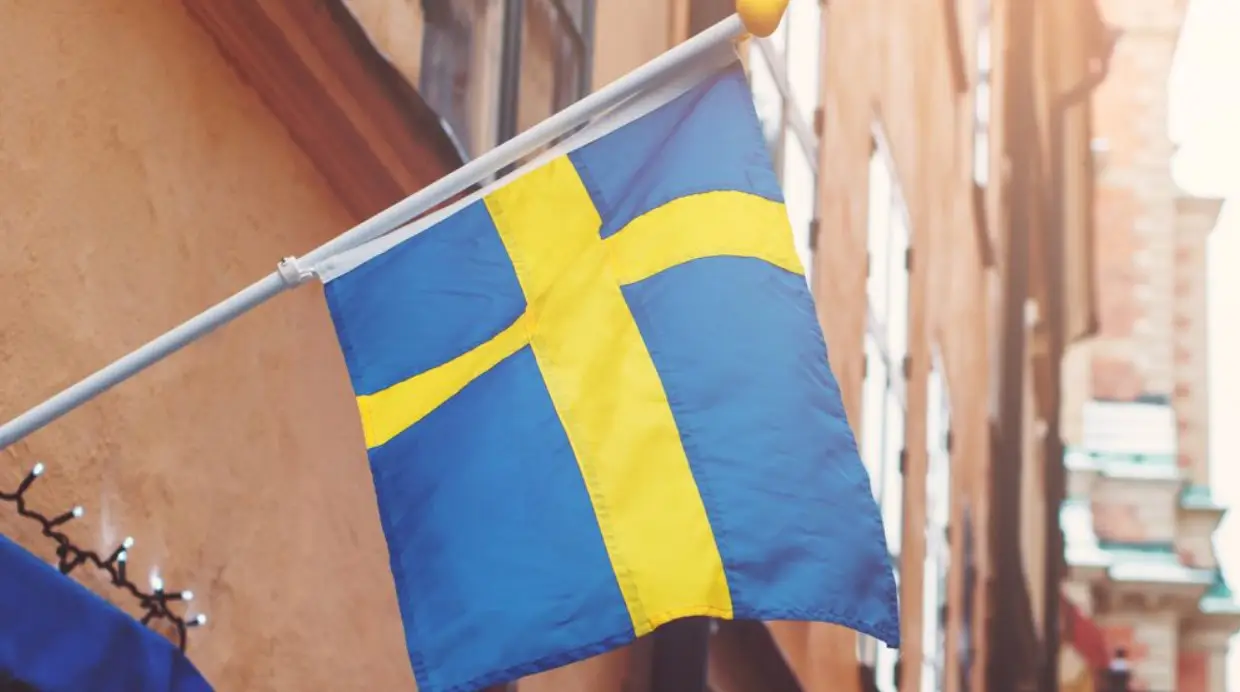
(AsiaGameHub) – Sweden has introduced stricter regulations for licensed gambling operators in 2026, including a ban on credit-funded gambling and updates to the Spelpaus system scheduled for August.
Good to Know
- On May 1, 2026, Sweden banned all gambling deposits made using borrowed funds.
- Starting August 1, Spelpaus self-exclusion checks will become more rigorous, with new operator IDs and API keys required.
- Peter Knutsson assumes leadership of Spelinspektionen on August 17 for a six-year term.
Sweden Tries To Protect Players Without Losing Them Offshore
The true challenge for Sweden lies not just in ensuring compliance with tougher rules, but in keeping players within the regulated market once gambling becomes less convenient.
Channelisation stood at 85% in 2024, a one-point decline compared to the previous year, according to data from Spelinspektionen. Online casino remains a key concern, as offshore platforms continue to capture a significant share of gambling activity outside the licensed sector.
BOS secretary general Gustaf Hoffstedt stated:
“It is unacceptable that approximately 25% of online casino gambling occurs outside the licensed market. Equally unacceptable is the fact that political leaders have allowed this situation to persist for five years, despite consistently low channelisation rates in earlier assessments, without implementing effective regulatory action.”
In response, Sweden has now prohibited licensed operators from accepting deposits funded by credit. The ban took effect on May 1 following an amendment to the Gambling Act by the Riksdag that broadened the prohibition on credit use.
Operators are required to reject payments made through credit cards, overdrafts, personal loans, buy-now-pay-later arrangements, invoices, bank loans, or any third-party borrowing. They are not obligated to investigate every transaction in advance. However, if they become aware that a player is using credit, they must block the deposit.
Minister for Financial Markets Niklas Wykman remarked that players “should never gamble with money they do not have.”
This regulation extends beyond the UK’s 2020 credit card ban, as Sweden also targets indirect forms of credit usage. This makes enforcement more complex—once borrowed funds move through a bank account, e-wallet, fintech service, or payment aggregator, tracking their origin becomes difficult.
Further Changes Effective in August
A second major update takes effect on August 1, introducing new Spelpaus requirements. Each licensee will be assigned a unique Actor ID and API Key by Spelinspektionen. Operators must use the appropriate API for all checks, including registration, login verification, and direct marketing communications. A check only counts as valid once it confirms whether a person has opted out via self-exclusion.
While third-party technology providers may conduct these checks, the ultimate responsibility remains with the licensed operator.
Spelinspektionen will also undergo a leadership transition in August. Peter Knutsson, currently serving with the Sweden Advertising Ombudsman, will become director general on August 17. His tenure runs until August 31, 2032, succeeding Johan Röhr, who has led the authority since Camilla Rosenberg departed in October 2025.
Wykman said:
“The Swedish gambling market should be defined by high security and robust consumer protection, and the Swedish Gambling Authority plays a central role in achieving this. I am pleased that Peter Knutsson, with his extensive expertise in consumer matters, has accepted the position of Director General.”
For licensed operators, Sweden has increased compliance demands in a market already struggling with outflows to unregulated sites. For Knutsson, the initial priority is clear: strengthen consumer safeguards without making it easier for illegal operators to attract players.
This article is provided by a third-party. AsiaGameHub (https://asiagamehub.com/) makes no warranties regarding its content.
AsiaGameHub delivers targeted distribution for iGaming, Casino, and eSports, connecting 3,000+ premium Asian media outlets and 80,000+ specialized influencers across ASEAN.