Upgraded GR Corolla Set for Japan Launch JCN Newswire

Upgraded GR Corolla Set for Japan Launch

Toyota City, Japan, September 18, 2025 - (JCN Newswire via SeaPRwire.com) - TOYOTA GAZOO Racing (TGR) unveiled a partially upgraded GR Corolla today and announced that orders are now being accepted at Toyota vehicle dealers across Japan, with sales to commence on November 3.GR CorollaImprovements1) Leveraging lessons learned from competing in Japan's Super Taikyu Series, the car's fundamental performance has been enhanced so that it can be put to the test in evermore demanding settings.The body structure has been reinforced to endure vertical and lateral g-forces that are more intense than those typically generated at circuits in Japan.To maintain stable engine output even during prolonged full-throttle driving, a cool air duct has been added to reduce the intake-air temperature during high-load driving.2) The JBL Premium Sound System (factory-installed option) has been improved by equipping the car with an Active Sound Control system and installing a subwoofer in the luggage compartment to enhance comfort for greater enjoyment of everyday driving and create burgling and other sounds that evoke the feeling of motorsports.3) The supply system for the Japanese-market model has been revised to enable delivery to as many customers as possible.This partially improved GR Corolla features an improved body structure and improved intake cooling performance for a driving experience underlined by a high sense of driver-car unity, not only in city driving but also in demanding environments such as at the Nürburgring*1. For TGR and Toyota Motor Corporation Chairman Akio Toyoda, aka Master Driver Morizo, competing in motorsports is the starting point of making ever-better cars. The birth of the GR Corolla stemmed from Morizo's strong desire to "bring back a Corolla that captivates our customers". The model has continued to evolve by leveraging lessons learned by competing in motorsports, primarily on circuits in Japan, such as in Japan's Super Taikyu Series.Thus far, possibilities for owning a GR Corolla have been limited due to the model only being available through purchasing lotteries since its launch in 2022. However, supply system revisions mean that more customers can now enjoy the GR Corolla's ever-evolving driving experience. Also, for current owners who are already enjoying the GR Corolla, plans are afoot for a software-inclusive upgrade program.TGR's journey of making ever-better motorsports-bred cars is without end. TGR intends to continuously evolve the GR Corolla by incorporating input from a diverse range of drivers.GR Corolla improvementsExtension of structural adhesive application by 13.9 metersStructural adhesive: Conventional lines of application 18.8mStructural adhesive: Extended lines of application 13.9mTo achieve stable driving performance even on overseas circuits, which typically generate more-intense vertical and lateral g-forces than circuits in Japan, the application of structural adhesive has been extended to 32.7 meters-13.9 meters more than such application in the GR Corolla's current RZ trim level-primarily in the front part of the body, floor, and areas around the rear wheel wells. This has enhanced body rigidity while minimizing weight increase. The resulting reinforced body structure enhances the sense of driver-car unity in all situations, from city to circuit driving.Addition of a cool air duct (to the secondary air intake duct) To maintain stable high engine output even when the engine compartment temperature rises during prolonged full-throttle driving, a high-engine-speed-activated cool air duct has been added to the secondary intake duct (located below the air cleaner). The cool air duct draws in outside air directly from the front grille, significantly reducing the intake-air temperature. This stabilizes engine output even under high-temperature conditions such as continuous high-load driving, enabling the GR Corolla's G16E-GTS engine to fully unleash its inherent potential.Subwoofer added to the JBL Premium Sound System, increasing the speakers from 8 to 9The JBL Premium Sound System (factory-installed option*2) has been improved to enhance everyday interior comfort while also delivering an emotional motorsports-evoking sound experience even during city driving. A luggage compartment subwoofer that delivers clearer, more powerful audio has been added, and optimized tuning of the pre-existing Active Noise Control (ANC) reduces interruptive engine noise and other unwanted sounds.Also, vehicles equipped with the JBL Premium Sound System now feature Active Sound Control (ASC), a system that emits sporty sounds through the vehicle's speakers that match changes in vehicle acceleration / deceleration and driving force due to accelerator and shift lever operation, enabling the driver to intuitively grasp vehicle condition. Furthermore, when the accelerator is released, the system generates the signature motorsports sound of burbling (resulting from explosions triggered by the activation of anti-lag control during the exhaust process to reduce turbo lag). This allows safe enjoyment during everyday driving of a sound experience akin to that of driving a racing car. ASC offers three sound patterns tailored to the driving mode, and, in addition to having three volume settings, "OFF", which is the factory setting, can also be selected.For more details, please visit: https://global.toyota/en/newsroom/toyota/43287933.htmlToyota Motor Corporation works to develop and manufacture innovative, safe and high-quality products and services that create happiness by providing mobility for all. We believe that true achievement comes from supporting our customers, partners, employees, and the communities in which we operate. Since our founding over 80 years ago in 1937, we have applied our Guiding Principles in pursuit of a safer, greener and more inclusive society. Today, as we transform into a mobility company developing connected, automated, shared and electrified technologies, we also remain true to our Guiding Principles and many of the United Nations' Sustainable Development Goals to help realize an ever-better world, where everyone is free to move.SDGs Initiatives: https://global.toyota/en/sustainability/sdgs/ Copyright 2025 JCN Newswire via SeaPRwire.com. All rights reserved. www.jcnnewswire.com
More
Honda Koraidon Ride on Experience and Onboard Showrun to be Held at Honda Collection Hall JCN Newswire

Honda Koraidon Ride on Experience and Onboard Showrun to be Held at Honda Collection Hall

TOKYO, Japan, September 18, 2025 - (JCN Newswire via SeaPRwire.com) - Honda will exhibit Honda Koraidon, a future mobility concept, at the Honda Collection Hall during the 2025 FIM*1 MotoGP World Championship Round 17, the MOTUL Grand Prix of Japan (Japanese GP), to be held at Mobility Resort Motegi (Tochigi Prefecture) from Friday, September 26 to Sunday, September 28*2.This exhibition at the Collection Hall will feature the first-ever opportunity to sit astride Honda Koraidon, along with a world-first showrun with a rider aboard.*1 FIM: Fédération Internationale de Motocyclisme*2 From Friday, September 26 to Sunday, September 28, admission to Mobility Resort Motegi will require a Japanese GP spectator ticket or parking pass. Honda Koraidon during showrun at Suzuka Circuit Honda Koraidon Exhibit OverviewDates:Friday, September 26 – Sunday, September 28, 2025Venue:Honda Collection Hall (within Mobility Resort Motegi)120-1 Hiyama, Motegi-machi, Haga-gun, Tochigi Prefecture 321-3597, JapanHours:September 26, 8:30 am to 6:00 pm, September 27 and 28, 8:00 am - 6:00 pmNote:For details regarding this exhibition, ride on experience and showrun, please visit the Honda Koraidon website. Honda Koraidon website: https://global.honda/en/motorcycle/brand/koraidon/Honda Collection Hall website: https://www.mr-motegi.jp/eng/collection-hall/ About Honda KoraidonHonda Koraidon is future mobility created with Honda’s experiences and unique technologies in the shape of Koraidon, a Legendary Pokémon that appears in the game “Pokémon Scarlet,” with the cooperation of The Pokémon Company. Honda has realized an almost life-size reproduction of the shape of Koraidon in both weight and size, down to the finest details. Honda Koraidon was exhibited for the first time at Honda Welcome Plaza Aoyama on March 7 (Fri) through 9 (Sun), 2025. Development and production have since continued using Honda’s experience and proprietary technology, and this marks the first time the Honda Koraidon will show its performance of running in public.About the Honda Koraidon ProjectIn 2024, the Toyota Engineering Society created the “Toyota Miraidon” with their project message, “Adults’ Devotion Makes Children’s Dreams Come True.” The Honda Koraidon Project started with the idea that Honda could create a Koraidon that is uniquely Honda, based on the commitment to monozukuri (the art of manufacturing) passed on by the Toyota Miraidon. The project consists of approximately 40 engineers who were recruited from the Motorcycle and Power Products Businesses and the Innovative Research Excellence who have shown interest in this project. Under the slogan “Honda’s Devotion Makes Children’s Dreams Come True,” the team applied the design philosophy and simulation technology cultivated by Honda’s motorcycle business over the years. Innovative Research Excellence’s advanced self-balancing technology will also be incorporated to the Honda Koraidon to express game world Koraidon as much as possible in a form Honda’s vision of mobility -.About Koraidon A Legendary Pokémon that appears in “Pokémon Scarlet,” the video game released in 2022. As the story progresses, Koraidon regains its abilities while travelling with the main character, such as walking on four legs (Limited Build), running by using its strong limbs (Sprinting Build), swimming at high speed (Swimming Build), and gliding in the sky (Gliding Build), to carry its rider to many places. KoraidonCategory: Paradox PokémonType: Fighting/DragonHeight: 2.5 m (8 feet 2 inches)Weight: 303.0 kg (668.0 pounds) Copyright 2025 JCN Newswire via SeaPRwire.com. All rights reserved. www.jcnnewswire.com
More
Mitsubishi Motors Increases Investment Stake in Australian Automotive Financial Services Company to 19.93% JCN Newswire

Mitsubishi Motors Increases Investment Stake in Australian Automotive Financial Services Company to 19.93%

TOKYO, September 18, 2025 - (JCN Newswire via SeaPRwire.com) - Mitsubishi Motors Corporation (hearafter, Mitsubishi Motors) announced today that it has increased its equity stake in FleetPartners Group Limited (hereafter, FleetPartners), a leading automotive financial services company in Australia and New Zealand, to 19.93% as of September 17.In June last year, Mitsubishi Motors acquired 5.01% of FleetPartners’ total issued shares. With the aim to continue to strengthen the strategic relationship between the organisations and expand operations in Australia and New Zealand, Mitsubishi Motors has increased its investment to 19.93%. As part of the acquisition of the shares, Mitsubishi Motors represented to shareholders it has no current intention to acquire control or make a takeover offer for FleetPartners.FleetPartners Group Limited is a leading provider of vehicle leasing, fleet management, novated leasing, operating across Australia and New Zealand with decades of experience.Tatsuo Nakamura, Executive Vice President (responsible for Sales) of Mitsubishi Motors said, "Australia and New Zealand are core markets for Mitsubishi Motors, and our strengthened relationship with FleetPartners reflects our continued investment and strategic commitment to these regions. We look forward to continuing to work with FleetPartners to collectively grow our businesses" [About FleetPartners Group]Company NameFleetPartners Group LimitedAddressSydney, New South Wales, AustraliaChair/CEOChair of the Board, Gail Pemberton Managing Director and Chief Executive Officer, Damien BerrellEstablishment1987OutletProviding fleet management services mainly to corporate customers in Australia and New Zealand.URLhttps://www.fleetpartners.com.au About Mitsubishi MotorsMitsubishi Motors Corporation (TSE:7211) — a member of the Alliance with Renault and Nissan — is a global automobile company based in Tokyo, Japan, which has about 28,000 employees and a global footprint with production facilities in Japan and the ASEAN region. Mitsubishi Motors has a competitive edge in SUVs, pickup trucks and plug-in hybrid electric vehicles, and appeals to ambitious drivers willing to challenge convention and embrace innovation. Since the production of our first vehicle more than a century ago, Mitsubishi Motors has been a leader in electrification — launched the i-MiEV, the world’s first mass-produced electric vehicle in 2009, followed by the Outlander PHEV, the world’s first plug-in hybrid electric SUV in 2013. With a target of increasing the sales ratio of electrified vehicles to 100% by 2035, Mitsubishi Motors will deliver models that embody Mitsubishi Motors-ness and contribute to the realization of a carbon-neutral society. For more information on Mitsubishi Motors, please visit the company's website at https://www.mitsubishi-motors.com/en/ Copyright 2025 JCN Newswire via SeaPRwire.com. All rights reserved. www.jcnnewswire.com
More
MHI Is Awarded Contract for 20 Units of the Outer Vertical Target for the Divertor Used in the ITER in Southern France JCN Newswire

MHI Is Awarded Contract for 20 Units of the Outer Vertical Target for the Divertor Used in the ITER in Southern France

TOKYO, September 18, 2025 - (JCN Newswire via SeaPRwire.com) - Mitsubishi Heavy Industries, Ltd. (MHI) has recently been awarded a contract from Japan's National Institutes for Quantum Science and Technology (QST) to manufacture 20 units of outer vertical targets, which are critical components of divertors, for ITER(*1,*2), the experimental fusion reactor currently under construction in southern France.There are plans to install 58 divertors in ITER, and Japan is scheduled to manufacture all 58 outer vertical targets accordingly. Of the total 58 outer vertical targets, MHI has secured orders to handle the initial production batch of 6 units (Units 1-6) and the second production batch of 12 units (Units 7-18). Having now secured an order for a third batch of 20 units, MHI will proceed to handle the manufacturing of all 38 units ordered.This acknowledgement results from the advanced manufacturing and mass production technologies MHI has cultivated through developing the prototype completed in 2024 and the ongoing manufacturing of the actual units. With the remaining 20 units in the pipeline, the company remains committed to advancing the ITER project.The divertor is one of the most core components in the fusion reactor used in the tokamak. It plays a vital role in stabilizing plasma confinement by expelling unburned fuel elements such as helium (He) and impurities generated within the core plasma during fusion reactions.The heat load in the divertor reaches up to 20 MW/m². This is equivalent to the surface thermal load on an asteroid probe upon re-entering the atmosphere and is approximately 30 times the surface thermal load on the space shuttle. The structural design means the outer vertical target facing the plasma is used in a severe environment exposed to thermal loads and particle loads from the plasma. Consequently, its structure features a highly complex shape, requiring leading edge manufacturing and machining technologies.MHI was previously awarded a contract from QST for the manufacture of five (of a total of 19) toroidal field (TF) coils, another core component of ITER, and all five units were shipped(*3) by 2023. The company will continue working on the manufacture of subsequent major components such as divertors and horizontal launchers (*4). Furthermore, MHI will actively support the design and development of the prototype nuclear fusion reactor planned for construction following the ITER project, thereby contributing to the realization of fusion energy.(*1) Fusion is the energy source that enables the sun to keep shining. The ultimate goal is achieving fusion on Earth. Fusion reactions fuse light atomic nuclei (deuterium and tritium) in a plasma environment into the heavier element of helium. Fusion reactions emit zero carbon dioxide, and their source of fuel can be extracted from seawater in virtually unlimited quantities (lithium from which tritium is derived, and deuterium). Fusion energy is expected to provide fundamental solutions to many of the world's energy and environmental problems.(*2) The ITER Project is an international megaproject to demonstrate, both scientifically and technologically, the feasibility of fusion energy. Seven participating parties (Japan, the EU, the U.S., Russia, South Korea, China, and India) are constructing ITER in Saint-Paul-lès-Durance, France, with a target for full-fledged operational startup of nuclear fusion combustion by 2035. QST, as the ITER Japan domestic agency for the ITER Project designated by Japanese government, is in charge of procuring these components.(*3) For details on the TF coils for the ITER that QST ordered from MHI, see the following press release.https://www.mhi.com/news/210524.html(*4) This is equipment that heats plasma by introducing high-frequency waves.About MHI GroupMitsubishi Heavy Industries (MHI) Group is one of the world’s leading industrial groups, spanning energy, smart infrastructure, industrial machinery, aerospace and defense. MHI Group combines cutting-edge technology with deep experience to deliver innovative, integrated solutions that help to realize a carbon neutral world, improve the quality of life and ensure a safer world. For more information, please visit www.mhi.com or follow our insights and stories on spectra.mhi.com Copyright 2025 JCN Newswire via SeaPRwire.com. All rights reserved. www.jcnnewswire.com
More
NTT and Mitsubishi Heavy Industries Achieved World’s Highest Efficiency in Laser Wireless Power Transmission under Atmospheric Turbulence JCN Newswire

NTT and Mitsubishi Heavy Industries Achieved World’s Highest Efficiency in Laser Wireless Power Transmission under Atmospheric Turbulence

TOKYO - September 17, 2025 - (JCN Newswire via SeaPRwire.com) - NTT, Inc. (Headquarters: Chiyoda, Tokyo; President and CEO: Akira Shimada; hereinafter "NTT") and Mitsubishi Heavy Industries, Ltd. (Headquarters: Chiyoda, Tokyo; President and CEO: Eisaku Ito; hereinafter "MHI") conducted an optical wireless power transmission experiment using laser beam to wirelessly transmit energy 1 kilometer away. By irradiating laser beam with an optical power of 1 kW, we succeeded in receiving 152 W of electric power 1 kilometer away. This marks the world's highest efficiency of an optical wireless power transmission using a silicon photoelectric conversion element(*2) in an environment with strong atmospheric turbulence.This result demonstrates the feasibility of delivering power to distant sites. In the future, it is expected to be applied to on-demand power transmission to remote islands and disaster-stricken areas where power cables cannot be installed.This achievement was published in the British magazine Electronics Letters on August 5, 2025.Figure 1 Schematic diagram of optical wireless power transmission system BackgroundIn recent years, wireless power transmission technologies for devices such as smartphones, wearable devices, drones, and electric vehicles, which can supply electricity without using cables, have garnered increasing attention. There are two types of wireless power transmission systems: one uses microwaves and the other uses laser beams. Microwave wireless power transmission is already in practical use and its use is expanding. On the other hand, optical wireless power transmission using laser beam has not been put into practical use, but it is expected to realize compact long-distance wireless power transmission on the order of kilometers by taking advantage of the high directivity of laser beam (Figure 1).Future prospects envision the development of next-generation infrastructure capable of supplying power and expanding communication coverage in situations and regions where electricity or communication networks are unavailable, such as during disasters, in remote islands, mountainous areas, or at sea. This includes delivering power precisely to specific areas or moving platforms such as drones. Achieving such highly accurate and long-distance power delivery requires laser-based wireless power transmission that takes advantage of its strong directionality.Challenges of existing technologies and achievements of this experimentThe efficiency of optical wireless power transmission technology is generally low, and improvement of efficiency is an issue for practical use. One of the reasons for this is that when long-distance laser beam propagates, especially in the atmosphere, the intensity distribution becomes uneven, and the efficiency of converting laser beam into electric power in the photoelectric conversion element becomes low.In this experiment, we combined NTT's beam shaping technology with MHI's light receiving technology to improve the efficiency of laser wireless power transmission. We conducted a long-distance optical wireless power transmission experiment in an outdoor environment using long-distance flat beam shaping technology that shape the beam at the transmission side to achieve uniform beam intensity after 1 kilometer propagation, and output current leveling technology that suppresses the influence of atmospheric fluctuations with a homogenizer and leveling circuits on the receiving side.From January to February 2025, we conducted an optical wireless power transmission experiment on the runway at the Nanki-Shirahama Airport in Shirahama Town, Nishimuro District, Wakayama Prefecture (Figure 2). A transmission booth equipped with an optical system for emitting laser beam was installed at one end of the runway, and a reception booth containing a light-receiving panel was placed 1 kilometer away.During transmission, the optical axis of the laser was set at a low height of approximately 1meter above the ground and aligned horizontally. As a result, the beam was strongly affected by ground heating and wind, and the experiment was conducted under conditions with strong atmospheric turbulence.Inside the transmission booth, a laser beam with an optical power of 1035 W was generated. Using a diffractive optical element (DOE)(*3), the beam was shaped to create a uniform intensity distribution at a distance of 1 kilometer. In addition, a beam steering mirror was used to precisely direct the shaped beam toward the receiving panel. The beam exited through the aperture of the transmission booth and propagated across 1 kilometer of open space, ultimately reaching the reception booth.During propagation, atmospheric turbulence caused fluctuations in the beam's intensity, creating hot spots. These were diffused by a homogenizer in the reception booth, resulting in a uniform beam being irradiated onto the receiving panel. The laser beam was then efficiently converted into electrical power (Figure 3). A silicon-based photoelectric conversion element was adopted for the receiving panel, taking into account both cost and availability.In this experiment, the average electrical power extracted from the receiving panel was 152 W (Figure 4), corresponding to a wireless power transmission efficiency of 15%, defined as the ratio of received electrical power to transmitted optical power. This result marks the world's highest optical wireless power transmission efficiency ever demonstrated using a silicon-based photoelectric conversion element under conditions of strong atmospheric turbulence. Furthermore, continuous power delivery was successfully maintained for 30 minutes, confirming the feasibility of long-duration power transmission using this technology.Figure 2 Scene of the experimentFrom a safety perspective, the optical transmission system and the receiving panel were each installed inside booths to prevent accidental exposure to high-power laser beams and the scattering of reflected light.Figure 3 Schematic diagram of experimental systemFigure 4 Power from the light-receiving panel Technical highlights1. Long-distance flat beam shaping technologyTo improve photoelectric conversion efficiency, it is necessary to make the intensity distribution of the beam incident on the photoelectric conversion element uniform.In this study, we proposed a beam shaping method that enables intensity uniformity after long-distance propagation. In this approach, the outer part of the beam is transformed into a ring-shaped pattern using the effect of an axicon lens(*4). The central part of the beam is phase-modulated to expand through the effect of a concave lens. As the beam propagates, the ring-shaped beam and the expanded central beam gradually overlap, resulting in a uniform intensity distribution at the target location, as shown in Figure 5.For the experiment, we optimized the beam design to achieve the desired intensity profile at a distance of 1 kilometer. The beam shaping was implemented using a diffractive optical element, which improved the uniformity of the beam intensity at the target position located 1 kilometer away.Figure 5 Image of beam shaping 2. Output current leveling technologyAs the laser beam propagates through the atmosphere, it is affected by atmospheric turbulence, which disturbs the intensity distribution. Although the flat-beam shaping technique described above can uniform the intensity distribution, strong turbulence can still cause the formation of high-intensity spots, as shown in Figure 6.To address this issue, we placed a beam homogenizer in front of the light-receiving panel. The homogenizer diffuses high-intensity spots so that the beam is uniformly irradiated onto the panel. In addition, leveling circuits were connected to each photoelectric conversion element on the receiving panel. These circuits help suppress fluctuations in output current caused by atmospheric turbulence and contribute to stabilizing the overall power output.These two technologies make it possible to achieve beam uniformity in kilometer-order transmission, which was difficult with conventional beam shaping methods, and to stabilize output in outdoor environments. As a result, stable power supply to remote locations such as isolated islands and disaster-affected areas is expected to become feasible.Figure 6 Image of beam pattern after atmospheric propagation and diffusion effect by homogenizerRole of each companyNTT: Design and implementation of transmission optics such as beam shaping techniques MHI: Design and implementation of photodetector optics such as photodetector panels, homogenizers, and leveling circuitsFuture developmentsThis technology enables the efficient and stable transmission of energy over long distances even under atmospheric turbulence. In this experiment, silicon was used as the photovoltaic conversion element. However, by employing photovoltaic devices specifically designed to match the wavelength of the laser light, even higher power transfer efficiency can be expected. In addition, the use of laser light sources with higher output power would make it possible to supply larger amounts of electricity.As a result, flexible and rapid power delivery can be achieved in remote areas such as disaster-stricken regions and remote islands, where the installation of power cables has traditionally been difficult. Beyond terrestrial applications, a wide range of new use cases can also be envisioned based on this technology (Figure 7). Notably, the high directivity and low divergence of laser beams allow for the design of compact and lightweight receiving devices. This is a major advantage for mobile platforms that face strict limitations in weight and payload capacity.For example, by combining this technology with beam steering techniques, it becomes possible to deliver power wirelessly to drones in flight. This avoids operational constraints such as landing for battery replacement or the use of tethered power supply cables, enabling long-duration and long-distance continuous operation. Such capabilities can enhance disaster-area monitoring as well as wide-area communication relay in mountainous or maritime regions, applications that were previously difficult to realize.In addition, potential applications in space are anticipated, including power delivery to mobile platforms such as HAPS (High Altitude Platform Station)(Note5), which falls within the scope of NTT's space brand, NTT C89(*6). Looking further ahead, the technology could be applied to power space data centers and lunar rovers, as well as to space solar power systems in which electricity is transmitted from geostationary satellites to the ground via laser. These applications represent areas with strong potential for market expansion.Through the collaboration between NTT and MHI, we have realized the world's most efficient laser wireless power transfer technology under conditions strongly affected by atmospheric fluctuations. This achievement represents a significant step toward building an innovative technological foundation that can meet a wide range of societal needs, from disaster response to space development.Figure 7 Use case of the technology (*1) Efficiency:The ratio of the electrical power extracted by the receiving panel to the optical power emitted by the laser.(*2) Photoelectric conversion element:A semiconductor device that converts light into electricity. Semiconductors generate electromotive force when light is shone on them due to the photoelectric effect. Adjusting the semiconductor composition allows control of the bandgap, which determines the wavelengths of light that can be efficiently used for power generation. Solar cells are also a type of photovoltaic cell. A photoelectric conversion panel is formed by connecting multiple of these cells.(*3) Diffractive optical element:An optical element that can control the intensity and phase of a beam by using the diffraction phenomenon of light by performing fine processing on a surface of the wavelength of light.(*4) Axicon lens:A conical lens capable of producing a Bessel beam, a ring-shaped beam or a non-diffracting beam.(*5) HAPS (High Altitude Platform Station):Unmanned aerial vehicle operated in the stratosphere. It is expected to serve as a base station for applications such as communications and related infrastructure.(*6) NTT C89:The brand name of the space business that NTT Group companies are engaged in. We will contribute to the development of the space industry by encouraging business expansion and further market development in the space business field.https://group.ntt/en/aerospace/https://group.ntt/en/magazine/blog/ntt_c89/ About NTTNTT contributes to a sustainable society through the power of innovation. We are a leading global technology company providing services to consumers and businesses as a mobile operator, infrastructure, networks, applications, and consulting provider. Our offerings include digital business consulting, managed application services, workplace and cloud solutions, data center and edge computing, all supported by our deep global industry expertise. We are over $90B in revenue and 340,000 employees, with $3B in annual R&D investments. Our operations span across 80+ countries and regions, allowing us to serve clients in over 190 of them. We serve over 75% of Fortune Global 100 companies, thousands of other enterprise and government clients and millions of consumers.About MHI GroupMitsubishi Heavy Industries (MHI) Group is one of the world’s leading industrial groups, spanning energy, smart infrastructure, industrial machinery, aerospace and defense. MHI Group combines cutting-edge technology with deep experience to deliver innovative, integrated solutions that help to realize a carbon neutral world, improve the quality of life and ensure a safer world. For more information, please visit www.mhi.com or follow our insights and stories on spectra.mhi.com Copyright 2025 JCN Newswire via SeaPRwire.com. All rights reserved. www.jcnnewswire.com
More
Definitive agreement to implement a joint mine plan between Los Bronces and Andina copper mines JCN Newswire

Definitive agreement to implement a joint mine plan between Los Bronces and Andina copper mines

TOKYO, September 17, 2025 - (JCN Newswire via SeaPRwire.com) - Mitsubishi Corporation (“MC”) is pleased to announce that Anglo American Sur S.A. (“AAS”), in which MC holds a 20.4% stake, has entered into a definitive agreement with Codelco to implement a joint mine plan for their adjacent copper operations in Chile: Los Bronces and Andina. This agreement builds on the memorandum of understanding announced in February 2025.Los Bronces and Andina have been trusted neighbors for decades. The implementation of a joint mine plan marks an important milestone that will further strengthen this partnership. This transaction is expected to generate a potential pre-tax value uplift of at least US$5 billion (100% basis), driven by the efficient development of the Los Bronces-Andina mining district and the optimization of existing processing capacity with minimal incremental capital investment. The joint mine plan is set to begin in 2030 and is projected to yield an additional 120,000 tonnes of copper production per year over a 21-year period (MC’s equity share: 12,000 tonnes of copper per year).A new operating company, jointly owned and controlled by AAS and Codelco, will be established to coordinate the execution of the joint plan. Copper production and the resulting economic benefits will be shared equally between AAS and Codelco.As part of its corporate strategy, MC aims to expand its equity-based resource production and strengthen its competitive edge through its value-creation framework: Enhance, Reshape, and Create. This project serves as a key example of “Reshaping” existing operations through strategic new partnerships. Copper is projected to experience sustained long-term demand growth. At the same time, challenges such as declining ore grades are making new mine development increasingly complex, raising concerns about future supply stability. MC remains firmly committed to securing and maintaining a stable supply of copper resources, recognizing their essential role in decarbonization. Los Bronces Copper Mine (Left) / Andina Copper Mine (Right) AAS Overview:Operating AssetsLos Bronces Mine, El Soldado Mine, Chagres SmelterShareholding StructureAnglo American plc (AA) 50.06%, Becrux 29.5% (Codelco 20%, Mitsui & Co. 9.5%), MC 20.44%Annual Production in 2024Approximately 220,000 tonnes Project Overview:LocationMetropolitan Region and Valparaiso Region, ChileStructureAA 50%, Codelco 50% The newly established company will be indirectly owned by AAS shareholders: Anglo American plc (25.03%), Becrux (14.75%, comprising Codelco at 10.0% and Mitsui & Co. at 4.75%), and MC (10.22%).Mining MethodOpen pitStart Year2030Average Annual Production Volume Increase for AAS120,000 tonnes on a 100% basis (MC equity share: 12,000 tonnes) compared to current standalone operations.Life of MineOver 21 years Mitsubishi CorporationMitsubishi Corporation (MC) is an integrated trading and investment company that develops and operates businesses across multiple industries together with its global network. MC has eight business segments that span virtually every industry: Environmental Energy, Materials Solution, Mineral Resources, Urban Development and Infrastructure, Mobility, Food Industry, Smart-Life Creation, and Power Solution.Anglo AmericanHeadquarters: 17 Charterhouse Street, London, EC1N 6RA, United KingdomMain Operations: Anglo American engages in mining operations across the globe, with a portfolio of world-class assets and undeveloped resources, including copper and premium quality iron ore.Representative: Duncan Wanblad, Chief ExecutiveYear of Establishment: 1917CodelcoHeadquarters: Alameda Libertador Bernardo O'Higgins 1449 Torre 2, piso 9, Santiago, ChileMain Operations: Codelco is a Chilean state-owned company and one of the world’s largest copper producers, engaged in mining and smelting operations.Representative: Maximo Pacheco, ChairmanYear of Establishment: 1976Inquiry RecipientMitsubishi CorporationTelephone:+81-3-3210-2171 Copyright 2025 JCN Newswire via SeaPRwire.com. All rights reserved. www.jcnnewswire.com
More
Anti-MTBR (microtubule binding region) Tau Antibody Etalanetug Granted FDA Fast Track Designation JCN Newswire

Anti-MTBR (microtubule binding region) Tau Antibody Etalanetug Granted FDA Fast Track Designation

TOKYO, September 8, 2025 - (JCN Newswire via SeaPRwire.com) - Eisai Co., Ltd. (Headquarters: Tokyo, CEO: Haruo Naito, “Eisai”) announced today that etalanetug (development code: E2814), an investigational anti-MTBR (microtubule binding region) tau antibody, was granted Fast Track designation by the U.S. Food and Drug Administration (FDA). Fast Track designation is an FDA program that is intended to facilitate and expedite development of new drugs to address unmet medical need in the treatment of a serious or life-threatening condition, such as Alzheimer’s disease (AD), and provide opportunities for frequent interactions with the FDA.AD is a chronic, progressive, neurodegenerative disease characterized by formation of protein deposits known as plaques made of amyloid-beta aggregates and neurofibrillary tangles made of tau protein in the brains of people living with AD. The data show that amyloid-beta protofibrils and tau tangles play roles in the neurodegeneration process.1,2,3Etalanetug is an anti-tau antibody that targets specific tau species containing MTBR, tau seeds that spread tau pathology to different brain regions. Etalanetug was discovered as part of the research collaboration between Eisai and University College London. In the Phase I/II clinical trial (Study 103, NCT04971733) targeting patients with Dominantly Inherited Alzheimer's Disease (DIAD), target engagement with MTBR-tau species in cerebrospinal fluid (CSF) with etalanetug was confirmed. Additionally, there was a reduction in CSF MTBR-tau243, a biomarker reflecting brain tau pathophysiology, as well as a trend towards suppression or decrease in tau PET signal. These results suggest that etalanetug inhibited tau propagation and suppressed the accumulation of tau aggregates in brains of people living with DIAD.Currently, etalanetug is being evaluated with a standard of care treatment, an anti-amyloid β protofibril antibody, lecanemab in two clinical trials: the Tau NexGen Phase II/III clinical trial (NCT05269394) for DIAD, led by the Dominantly Inherited Alzheimer Network Trials Unit (DIAN-TU) at Washington University School of Medicine in St. Louis, and a Phase II clinical trial (Study 202, NCT06602258) targeting sporadic early AD.Following the development of treatments targeting amyloid beta, if treatments targeting tau become available, it is expected that this will be a further major breakthrough in the treatment of AD.Eisai positions neurology as one of its key therapeutic areas, and it will continue to create innovation in the development of novel medicines based on cutting-edge neurology research as it seeks to contribute further to improving the benefits of affected individuals and their families in diseases with high unmet needs, such as dementia including AD. Media Inquiries:Eisai Co., Ltd.Public Relations DepartmentTEL: +81 (0)3-3817-5120Eisai Inc. (U.S.)Libby Holman+1-201-753-1945Libby_Holman@Eisai.comEisai Europe, Ltd. (UK, Europe, Australia, New Zealand and Russia)EMEA Communications Department+44 (0) 786 601 1272EMEA-comms@eisai.net About the U.S. Food and Drug Administration's Fast Track DesignationFast Track is a special measure provided by the U.S. Food and Drug Administration (FDA) to facilitate the development and expedite the review of drugs to treat serious conditions and fill an unmet medical need. The Fast Track designation is available not only when treatments do not exist, but also for drugs that demonstrate a potential advantage over existing treatments. Once a drug has granted Fast Track designation, the FDA will increase the frequency of meetings to discuss development, and if supported by clinical data at the time of New Drug Application submission, the drug may also be eligible for Priority Review and Accelerated Approval.Biomarkers related to AD tau pathologyAs fluid biomarkers related to AD tau pathology, tau containing the residue 243 (MTBR-tau243) and tau phosphorylated at the residue 217 (p-tau217) in CSF have been reported.4 In addition, positron emission tomography (tau PET), which specifically detects tau aggregates, is used as an imaging biomarker. These biomarkers are included in the Revised criteria for diagnosis and staging of AD published by the National Institute on Aging and the Alzheimer's Association (NIA-AA) in June 2024.5References1. Amin L, Harris DA. Aβ receptors specifically recognize molecular features displayed by fibril ends and neurotoxic oligomers. Nat Commun. 2021;12:3451. doi:10.1038/s41467-021-23507-z2. Ono K, Tsuji M. Protofibrils of Amyloid-β are Important Targets of a Disease-Modifying Approach for Alzheimer's Disease. Int J Mol Sci. 2020;21(3):952. doi: 10.3390/ijms21030952. PMID: 32023927; PMCID: PMC7037706.3. Hampel H, Hardy J, Blennow K, et al. The amyloid pathway in Alzheimer's disease.Mol Psychiatry. 2021;26(10):5481-5503.4. Horie K, et al. CSF MTBR-tau243 is a specific biomarker of tau tangle pathology in Alzheimer's disease. Nat Med. 2023. 29. 1954-19635. Jack Jr. CR, et al. Revised criteria for diagnosis and staging of Alzheimer's disease: Alzheimer's Association Workgroup. Alzheimers Dement. 2024. 20. 5143-5169 Copyright 2025 JCN Newswire via SeaPRwire.com. All rights reserved. www.jcnnewswire.com
More
Honda Announces New Electric Motorcycle “Honda WN7” in Europe JCN Newswire

Honda Announces New Electric Motorcycle “Honda WN7” in Europe

TOKYO, Japan, September 16, 2025 - (JCN Newswire via SeaPRwire.com) – Honda has unveiled its first electric motorcycle, “Honda WN7,” in Europe.Honda aims to achieve carbon neutrality across all products and corporate activities by 2050, with the goal of making all motorcycle products carbon-neutral by the 2040s. To this end, Honda is positioning motorcycle electrification as a core pillar of its future environmental strategy.*1Positioning 2024 as the first year of global expansion for its electric motorcycles, Honda is accelerating its entry into the electric motorcycle market and expanding its global electric lineup. The newly announced WN7 is Honda’s first fixed-battery electric naked model designed for the Fun segment.Honda will continue to respond to the diverse needs of customers by advancing efforts to create a full lineup of electric motorcycles, from commuters to Fun models, and by offering a wide variety of electric motorcycle options.*1 Announced at the “2023 Briefing on Honda Electric Motorcycle Business” held on November 29, 2023WN7The WN7 is the production model of the “EV Fun Concept” exhibited at EICMA 2024 in Milan, Italy.The model name WN7 is derived from “W” for the development concept “Be the Wind,” “N” for “Naked,” and 7 indicating the output class.The WN7 is an electric motorcycle that embodies over 75 years of Honda's motorcycle development experience and expertise. It delivers a quiet and smooth ride distinct from ICE (internal combustion engine) models, while achieving a high level of riding enjoyment and the thrill of the open roadHonda WN7 Overview- Estimated range of over 130 km (83 miles) *2- Features a fixed lithium-ion battery- Adopts CCS2*3 charger standard, enabling rapid charging from 20% to 80% in 30 minutes- Compatible with home charging, completing a full charge in under 3 hours*4- Slim, futuristic design unique to EVs- Performance rivals 600cc ICE models in output and 1000cc ICE models in torque- 5-inch TFT screen connects to Honda RoadSync*5*2 Honda research*3 CCS2: Combined Charging System Type 2, a specification for electric vehicle fast charger connectors*4 Charging time measured under specified test conditions when connected to a standard outlet*5 Use of Honda RoadSync requires installation of a Smartphone app Copyright 2025 JCN Newswire via SeaPRwire.com. All rights reserved. www.jcnnewswire.com
More
EASD 2025 | HighTide Therapeutics Announces Oral Presentation of Phase 3 Data in Patients with Type 2 Diabetes JCN Newswire

EASD 2025 | HighTide Therapeutics Announces Oral Presentation of Phase 3 Data in Patients with Type 2 Diabetes

HONG KONG, Sep 17, 2025 - (ACN Newswire via SeaPRwire.com) – HighTide Therapeutics, Inc. (2511.HK), a clinical stage biopharmaceutical company specializing in the development of multifunctional multi-targeted therapies for metabolic diseases, announced that data from the Phase 3 SYMPHONY 2 trial evaluating the safety and efficacy of HTD1801 in patients with type 2 diabetes mellitus (T2DM) is being presented at the 61st Annual Meeting of the European Association for the Study of Diabetes (EASD) in Vienna.HTD1801, is a first-in-class anti-inflammatory metabolic modulator that activates AMPK and inhibits the NLRP3 inflammasome. These pathways converge at the nexus of metabolic dysregulation beyond glucose control and chronic inflammation. This randomized, double-blind, placebo-controlled study evaluated the efficacy and safety of HTD1801 compared to placebo in patients with T2DM inadequately controlled with metformin. The primary endpoint of Symphony 2 was change from baseline in HbA1c to Week 24 compared to placebo. Secondary endpoints explored effects on cardiovascular, metabolic, and renal comorbidities to assess it’s potential as a comprehensive Cardiovascular-Kidney-Metabolic therapy.Eligible patients were randomized 2:1 to HTD1801 1000 mg BID (N=365) or placebo (N=184). The study met the primary endpoint at Week 24, with HTD1801-treated patients achieving an LS mean change in HbA1c of -1.21% compared to -0.68% with placebo (LS mean diff: -0.53, p
More
Honda Develops New “Chemical Sorting” Technology to Separate Solid Contaminants from Waste Plastics Derived from End-of-life Automobiles JCN Newswire

Honda Develops New “Chemical Sorting” Technology to Separate Solid Contaminants from Waste Plastics Derived from End-of-life Automobiles

TOKYO, Japan, September 16, 2025 - (JCN Newswire via SeaPRwire.com) – Honda R&D Co., Ltd. (Honda) today announced that it has developed a new “chemical sorting” technology, which sorts and extracts reusable plastics from waste plastic parts that contain solid contaminants unique to automotive waste. Honda will build a pilot facility with a maximum processing capacity of 350 tons per year and verify the technology by the end of 2026, striving to put it into practical use by around 2029.The solid contaminant separation technology newly developed by Honda uses chemical sorting, that dissolves the resin in a solvent to remove solid contaminants and extract high-purity resin. Waste automotive plastic parts generally contain non-plastic solid contaminants such as metal inserts*1, pieces of rubber hoses and gaskets, and reinforcing materials such as glass fiber contained in the resin. To date, recycling of waste plastic parts containing solid contaminants has been done mostly through “physical sorting” processes which sort contaminants manually or by machine. However, recycling via physical sorting has various challenges, including an increase in cost associated with the sorting process.The use of the newly-developed chemical sorting technology enabled Honda to improve the solid contaminant separation rate to more than 99%, which previously has not exceeded the range of approximately 80%, resulting in the extraction of high-purity plastics. After undergoing mechanical and chemical recycling processes, reusable plastics extracted through the chemical sorting technology with a purity of more than 99%, will be reused as automotive materials, enabling closed-loop recycling.Issues with conventional recycling of waste plastic parts- Limitations due to the size of contaminants Conventional separation method requires the optimization of specifications of filters and sorting process for the size of each target contaminant. Waste plastic parts contain solid contaminants of various sizes. Since the sizes of contaminants are unpredictable, the filter mesh has to be set very fine, which often causes clogging and halts processing.- Limitations due to the complexity of materialsPlastics used in automotive parts consist of multiple resins, additives, fillers, and attached components, making it difficult to efficiently separate them through the conventional method. - Difficulty in scaling upWhen fine-mesh filters are used to sort out most contaminants, the filters need to be replaced every few hours due to clogging. Therefore, while recycling is feasible at the research level, it has been technically challenging to establish a continuous process capable of stably processing large volumes of waste materials.- Lack of industrywide collaborationFor practical recycling, an industrywide initiative is indispensable; however, sufficient collaborative frameworks have yet to be established.What Honda achieved with the new technology By using coarse-mesh filters that are less prone to clogging to sort out millimeter-sized coarse contaminants, and using centrifuges to physically separate micrometer-sized*2 fine contaminants, the new chemical sorting technology developed by Honda eliminates the need to adjust the specifications of removal filters depending on the size of each contaminant, enabling the thorough removal of contaminants of all sizes. It also minimizes the need for maintenance and filter replacement, enabling the establishment of a continuous process capable of stable operation on an industrial scale.With these features of its new technology, Honda became capable of removing contaminants of various sizes in the recycling of ELV-derived waste plastics, which expands the range of recyclable parts. This enables Honda to achieve both economic feasibility and scalability, and realize practical application of its new technology. Moreover, based on the expertise and technological foundation Honda has amassed through its long history of developing resource recovery technologies, the recent progress in collaboration with external partners has supported the development of this new technology.Benefits of the solid contaminant separation technology developed by HondaReduction of capital investment through the reduction of steps in the sorting process.Reduction of process cost through the shortening of the process.Improvement of recycling yield*3 (through the reduction of the amount of resin removed along with contaminants being removed in each sorting step).Efficient recovery of high-quality plastics that will comply with quality standards required for the recycling processes that follow, by preventing metal and rubber contamination.Suppression of plastic degradation by dissolving resin at temperatures lower than the resin’s degradation point.Ability to discharge recycled resin in a solid state, which enables the recovery of resin in pellet*4 form.Reduction of COâ‚‚ emissions, as the technology enables the recycling of reinforced fiber plastics that were previously incinerated.Resource circulation has been one of the key focus areas for Honda to further advance its mobility products and services, and this newly-developed technology is expected to be applicable also to other materials, including engineering plastics. Honda will continue its recycling-related research and take on the challenge to develop its products with 100% use of sustainable materials. *1 Components made from metals that are pre-embedded into molded components such as plastic and rubber products.*2 1 micrometer=0.001 millimeter.*3 The ratio of a good product obtained to the amount of raw material input. In this context, it refers to the amount of resin successfully recovered divided by the amount of waste material fed into the process.*4 Raw material used for plastic molding, typically in small granules of about 3–5 millimeters in size. Copyright 2025 JCN Newswire via SeaPRwire.com. All rights reserved. www.jcnnewswire.com
More
NEC Publishes ESG Initiatives Supporting Sustainable Growth of Companies and Society in “ESG Databook 2025” JCN Newswire

NEC Publishes ESG Initiatives Supporting Sustainable Growth of Companies and Society in “ESG Databook 2025”

TOKYO, September 16, 2025 - (JCN Newswire via SeaPRwire.com) — NEC Corporation (NEC; TSE: 6701) has published the ESG Databook 2025, a report on its Environmental, Social, and Governance (ESG) initiatives from April 2024 onwards.NEC ESG Databook 2025URL: https://www.nec.com/en/global/sustainability/report/index.htmlAs outlined in its Mid-term Management Plan 2025 (*), NEC aims to create social and environmental value through its business, focusing on growth areas. As part of its financial strategy, NEC is strengthening its non-financial foundations to support the sustainable growth of the company and society. The ESG Databook 2025 was composed with reference to the four components of sustainability information disclosure standards of the International Sustainability Standards Board (ISSB) and the Sustainability Standards Board of Japan (SSBJ), consisting of: "Governance," "Strategy," "Risk Management (including NEC’s unique approach to opportunity creation)," and "Metrics and Targets."As a result of these efforts, NEC continues to be included in major ESG indices, such as the Dow Jones Best-in-Class World Index and Asia Pacific Index, the FTSE4Good Index Series, and the MSCI ESG Leaders Indexes, which is one of the financial strategy targets set in the Mid-term Management Plan 2025.The main initiatives outlined in the ESG Databook 2025 are as follows:1. Initiatives to promote businesses that contribute to carbon neutrality and efforts to reduce capital costsIn response to growing interest in decarbonization among customers and society, NEC is introducing the "Client Zero" concept and specific initiatives. These initiatives involve first implementing the latest technologies in-house to accumulate expertise, and then broadly deploying this expertise to customers through NEC's value creation model, "BluStellar." NEC also provides more detailed information in this report on its participation in external environmental initiatives and its involvement with industry organizations.Additionally, for the fourth consecutive year, NEC has issued sustainability-linked bonds with KPIs based on the strength of its environmental initiatives, such as its selection as a CDP "A-List" (Climate Change) company for six consecutive years, to reduce its capital costs.2. Promoting human capital management that supports strategy and cultureNEC considers human capital management to be one of its most important management resources. To achieve its purpose and the Mid-term Management Plan 2025, NEC is promoting initiatives based on strategy and culture, as well as job-specific human resource management. By assigning the right person to the right job at the right time, NEC is able to respond to changes in the market environment and business needs, enabling the company to execute swift and resilient business strategies.In addition, NEC is promoting a cultural initiative based on the 3 pillars of "enhancing communication," "fostering proactive learning and career development," and "ensuring fair evaluations and offering competitive compensation," to secure and develop human resources with innovative ideas that drive its business.3. Strengthening security for NEC and society, and strengthening the acquisition and development of human resourcesNEC carries out business activities with significant meaning for society and therefore considers cybersecurity and information security to be critical issues in the social domain. Based on Japan’s Ministry of Economy, Trade and Industry’s "Cybersecurity Management Guidelines Ver3.0," and the U.S. National Institute of Standards and Technology (NIST)’s "Cybersecurity Framework (Version 2.0)," which was revised for the first time in ten years in February 2024, NEC is building a framework to strengthen its preventive defenses against evolving cyberattacks and to enhance resilience against such threats.Cybersecurity Management Report 2025 (published in September 2025)URL: https://www.nec.com/en/global/sustainability/security/index.htmlGuided by the NEC Way, NEC aims to create the social values of safety, security, fairness and efficiency and to promote a more sustainable world where everyone has the chance to reach their full potential. Moreover, NEC contributes to all 17 Sustainable Development Goals (SDGs) by actively engaging with various stakeholders and leveraging the power of information and communications technologies (ICT) to address social challenges. In response to demands from society, information disclosure related to sustainability is undergoing significant changes. To ensure that stakeholders understand NEC's approach to sustainability and its latest initiatives, the company plans to continue proactively disclosing information through the publication of the ESG Databook and through direct dialogue sessions.(*)Mid-term Management Plan 2025https://www.nec.com/en/global/ir/library/plan2025.htmlAbout NEC CorporationNEC Corporation has established itself as a leader in the integration of IT and network technologies while promoting the brand statement of “Orchestrating a brighter world.” NEC enables businesses and communities to adapt to rapid changes taking place in both society and the market as it provides for the social values of safety, security, fairness and efficiency to promote a more sustainable world where everyone has the chance to reach their full potential. For more information, visit NEC at https://www.nec.com. Copyright 2025 JCN Newswire via SeaPRwire.com. All rights reserved. www.jcnnewswire.com
More
JSR Corporation/Inpria Corporation and Lam Research Enter Cross Licensing and Collaboration Agreement to Advance Semiconductor Manufacturing JCN Newswire

JSR Corporation/Inpria Corporation and Lam Research Enter Cross Licensing and Collaboration Agreement to Advance Semiconductor Manufacturing

TOKYO, Sept 16, 2025, FREMONT, Calif., Sept 15, 2025 - (JCN Newswire via SeaPRwire.com) - JSR Corporation, a leading technology company focused on material innovation and the parent company of Inpria Corporation, a metal oxide photoresist solution provider, Lam Research Corp. (Nasdaq: LRCX), a global leader in semiconductor fabrication equipment and services, today announced that JSR/Inpria and Lam have entered into a non-exclusive cross-licensing and collaboration agreement to advance leading-edge semiconductor manufacturing. The partnership is intended to accelerate the industry’s transition to next-generation patterning, including dry resist technology for EUV lithography, and advance the development of next-generation materials for atomic layer etching and deposition processes.The agreement capitalizes on JSR/Inpria’s innovative semiconductor materials, including metal oxide solutions and Lam’s deep capabilities in deposition, etch and EUV patterning, including Aether®, Lam’s ground-breaking dry resist equipment and process technology that reduces the cost and complexity of creating the intricate patterns required for chips for artificial intelligence (AI) and high-performance computing (HPC).The companies will collaborate to integrate JSR/Inpria’s patterning resists and films with Lam’s etch and dry resist deposition technologies. Lam and JSR/Inpria will also work together to expand innovation in several areas to support chipmakers as they scale in the AI era, including research and development related to metal oxide resists, high NA EUV patterning for advanced nodes, and other advanced films for next-generation patterning. In addition, leveraging JSR’s recent acquisition of Yamanaka Hutech Corporation, Lam and JSR plan to explore on new precursor materials and processes for advanced atomic layer deposition and etch solutions.“At JSR, we are committed to advancing cutting edge materials to enable our customers’ most demanding technology roadmaps,” said Toru Kimura, senior officer, JSR Corporation. “By combining JSR and Inpria’s materials expertise with Lam’s strengths in deposition, etch, and dry resist technologies, we aim to accelerate solutions for EUV lithography – including high NA – and support the industry to scale efficiently for the new AI era.“By richly complementing Lam’s proven atomic layer deposition and etch capabilities with JSR’s deep expertise in advanced patterning materials, this collaboration enables us to accelerate innovation at a time of rising semiconductor complexity,” said Vahid Vahedi, chief technology and sustainability officer, Lam Research. “This includes driving new low-NA and high-NA EUV patterning materials and metal oxide resists and providing greater access to Aether dry resist technology.”Inpria and Lam have also agreed to dismiss all claims against each other in the litigation Inpria v. Lam Research (Case 1:22cv01359) in the District Court of Delaware and all related inter partes review (IPR) proceedings.About JSR CorporationJSR Corporation is a global technology company developing cutting-edge materials. Our Electronic Materials business provides a wide range of semiconductor materials for advanced logic and memory, including photoresists and ancillaries, process materials such as CMP slurries, cleaning solutions, packaging materials, and precursors. JSR's Electronic Materials Division’s group companies include Inpria Corporation, acquired in 2021 for EUV metal oxide resists, and Yamanaka Hutech, added in August 2024 for high-purity CVD/ALD precursors. JSR delivers high-quality materials with added functionality, driving innovation in the semiconductor market and enabling customer breakthroughs. Please visit www.jsr.co.jpAbout Lam ResearchLam Research Corporation is a global supplier of innovative wafer fabrication equipment and services to the semiconductor industry. Lam’s equipment and services allow customers to build smaller and better performing devices. In fact, today, nearly every advanced chip is built with Lam technology. We combine superior systems engineering, technology leadership, and a strong values-based culture, with an unwavering commitment to our customers. Lam Research (Nasdaq: LRCX) is a FORTUNE 500® company headquartered in Fremont, Calif., with operations around the globe. Learn more at www.lamresearch.com.JSR Corporation Contacts:Yuki KawashimaElectronic Materials Business Strategy Dept.Tel: +81-3-6218-3500e-mail: litho_semi@jsr.co.jpLam Research Contacts:Laura BakkenMedia RelationsTel: +1 (510) 572-5029e-mail: publicrelations@lamresearch.comRam GaneshInvestor RelationsTel: +1 (510) 572-1615Email: investor.relations@lamresearch.com Copyright 2025 JCN Newswire via SeaPRwire.com. All rights reserved. www.jcnnewswire.com
More
Toyota Launches Next-Generation New Mobility e-Palette JCN Newswire

Toyota Launches Next-Generation New Mobility e-Palette

Toyota City, Japan, September 15, 2025 - (JCN Newswire via SeaPRwire.com) - Toyota Motor Corporation (Toyota) announced today that it has begun sales of the e-Palette BEV, which can be used for various mobility services, as of September 15.e-Palette features a spacious interior and large windows that create a sense of openness. It is designed not only as a means of transportation, but also to support a variety of mobility services with a single vehicle, such as a mobile store or service space. It offers new mobility experiences through multi-use applications inspired by the creative ideas of customers while also transforming the cityscape with its highly refined exterior design.Going forward, Toyota will introduce the e-Palette in TOYOTA ARENA TOKYO and surrounding areas as well as Toyota Woven City, where it will be used for transportation services and as a mobile store for various goods, among other initiatives. In addition, Toyota will carry out automated driving demonstrations in collaboration with dealerships, municipalities, and automated driving partners in certain regions, aiming to launch vehicles equipped with Level 4 automated driving systems to the market during fiscal year 2027.Toyota will expand the possibilities of mobility aiming to achieve a mobility society where everyone enjoys the freedom to move and where mobility has the power to move people emotionally as well as physically.1. Providing Multi-Use Vehicle Applications- Equipping a variety of devices will allow it to serve different purposes throughout the day by equipping various devices. For example, it can be used as a shuttle bus in the morning and evening while operating as a store during the day while it charges.- The spacious interior space allows for customization to support even more diverse applications. For example, by installing remote communication or audio equipment, it can be used as an entertainment vehicle where passengers on the move can enjoy realistic sports viewing or immersive sightseeing experiences.Examples of multi-use applications2. Uses and Accessibility-Conscious DesignLow floor and wide sliding doors allow for quick boarding and exit. Height-adjustment functions enable a low floor, while the electric ramp enables wheelchair users to board and exit independently without assistance at a sidewalk height of 15 cm. Optional equipment such as a one-touch fastening device for wheelchairs is also available. Interior space Low floor height and electric ramp3. Support for Automated Driving Prioritizing Safety and Security- e-Palette is capable of supporting an automated driving system that conforms to Level 2 automated driving specifications. Toyota will continue to implement improved functions with the aim of launching vehicles equipped with Level 4 automated driving systems to the market during fiscal year 2027.- e-Palette is capable of supporting automated driving by equipping e-Palette with an automated driving system developped by various companies (ADK: Automated Driving Kit; automated driving control hardware and software, sensors such as cameras and LiDAR, etc.) that are compatible with Toyota's vehicle control interface (VCI: Vehicle Control Interface).- It features standardized connections between the automated driving system and vehicle control systems. Redundant systems are installed to ensure robustness and reliability. This automated driving system integration contributes to safe and secure driving, achieving Toyota's vision of automated driving.Seamless collaboration with operations management systems also ensures smooth automated driving operations.4. Advanced Equipment- The vehicle has implemented a Steer-by-Wire System, providing a next-generation steering feel while reducing steering input for the driver and alleviating driving burden. A uniquely-shaped steering wheel has been adopted to create an advanced cockpit.- The vehicle is equipped with digital signage both inside and outside that can display information to match usage. The signage software is editable by customers to allow them to share desired information.- In addition to safe-exit assistance, a cabin monitoring system supports door operation safety by monitoring the door surroundings. Digital SignageAdvanced Cockpit5. Charging and Power Supply Functions- e-Palette features both standard and rapid charging. It can also supply power when stationary, enabling use as an emergency power source during disasters. Charging Function Power Supply Function Main SpecificationsDimensions, etc.Length / Width / Height4,950 / 2,080 / 2,650 mmCabin length / Cabin width / Cabin height*12,865 / 1,780 / 2,135 mmVehicle weight2,950 kgOccupancy (seated + standing + driver)17 (4 + 12 + 1)Floor height*1370 mm(270 mm when vehicle height adjustment option is used)Door opening width / opening height*11,280 mm / 1,900 mmPerformanceMaximum vehicle speed80 km/hMinimum turning radius6.5 mCruising range*1Approx. 250 km*2Main power batteryTypeLithium-ion batteryBattery capacity (Total electric power)*372.82 kWhMotorTypeAC synchronous motorMaximum output150 kWMaximum torque266 Nï½¥mCharging time*4Rapid charging (DC 90 kW / 200 A)Approx. 40 minutes (Approx. 80% of full charge)Standard charging (AC 6 kW / 30 A)Approx. 12 hours*1In-house measurement value*2Equivalent to WLTC mode (urban mode and suburban mode)*3Measured in accordance with IEC standard 62660-1*4Reference value Reference: Manufacturer's Suggested Retail PricesFrom 29,000,000 yen (including tax)**Optional equipment prices not included.*This vehicle is eligible for the Ministry of the Environment's Commercial Vehicle Electrification Promotion Project (subsidy amount: 15,835,000 yen). (As of September 15, 2025) Sales InformationToyota will accept orders directly for the time being*.Contact InformationThis product is built to order.For inquiries or applications regarding the e-Palette, please contact the following: e-Palette Contact Desk, Aero Mobility Business Division, Toyota Motor Corporationepalette@mail.toyota.co.jp*Sales are expected to be handled by Toyota vehicle dealerships in the future. "Achieving zero, and adding new value beyond it"As part of efforts to pass our beautiful "Home Planet" to the next generation, Toyota has identified and is helping to solve issues faced by individuals and overall society, which Toyota calls "Achieving Zero," hoping to help reduce the negative impacts caused by these issues to people and the environment to zero. Additionally, Toyota is also looking "Beyond Zero" to create and provide greater value by continuing to diligently seek ways to improve lives and society for the future.About Beyond Zero: https://global.toyota/en/mobility/beyond-zero/Toyota Motor Corporation works to develop and manufacture innovative, safe and high-quality products and services that create happiness by providing mobility for all. We believe that true achievement comes from supporting our customers, partners, employees, and the communities in which we operate. Since our founding over 80 years ago in 1937, we have applied our Guiding Principles in pursuit of a safer, greener and more inclusive society. Today, as we transform into a mobility company developing connected, automated, shared and electrified technologies, we also remain true to our Guiding Principles and many of the United Nations' Sustainable Development Goals to help realize an ever-better world, where everyone is free to move.SDGs Initiatives: https://global.toyota/en/sustainability/sdgs/ Copyright 2025 JCN Newswire via SeaPRwire.com. All rights reserved. www.jcnnewswire.com
More
The University of Osaka D3 Center Commences Operation of New Computing and Data Infrastructure Built by NEC JCN Newswire

The University of Osaka D3 Center Commences Operation of New Computing and Data Infrastructure Built by NEC

TOKYO, September 12, 2025 - (JCN Newswire via SeaPRwire.com) — The University of Osaka D3 Center will begin trial operations of the "Osaka University Compute and sTOrage Platform Urging open Science" (OCTOPUS), a computational and data platform promoting open science built by NEC Corporation (NEC; TSE: 6701), starting this September, with full-scale operations commencing in December.OCTOPUS is a supercomputer with a theoretical computational performance of 2.293 petaflops, centered around 140 computing nodes of the "NEC LX201Ein-1" (*1). Compared to the previous system, it not only offers approximately 1.5 times the performance, but also incorporates a provenance management function (*2), which automatically records and manages processes such as data generation, jointly developed by both parties. This contributes to promoting open science, where research data is shared across society as a whole.NEC LX201Ein-1 used in OCTOPUS OCTOPUS Exterior View(Winning design from a public competition rendered on the rack) Recent academic research involves the daily analysis and generation of vast amounts of data using supercomputers. However, the research process and results are often left to manual recording and management by researchers, raising concerns regarding reproducibility, fairness, and efficiency. Furthermore, from the perspective of promoting open science, there is a demand for greater transparency in the research process and the implementation of an audit trail management system.In response, a research group led by Susumu Date, Director at The Joint Research Laboratory for Integrated Infrastructure of High Performance Computing and Data Analysis —established in 2021 by The University of Osaka D3 Center and NEC—developed SCUP-HPC (*3), a new technology that records and manages the computational provenance executed on supercomputers.SCUP-HPC tracks, records, manages, and visualizes computational provenance—tracking what data is accessed by which programs and what data is generated—in cluster-type supercomputers where multiple high-performance computers are connected via high-speed networks, while minimizing the impact on the supercomputer's performance.This enables "Scientific Computing Unifying Provenance – High Performance Computing," which integrates computational provenance on supercomputers, and is expected to dramatically improve the productivity of researchers using supercomputers for scientific computing tasks such as simulations and AI training.Furthermore, by utilizing the provenance management and search service provided by SCUP-HPC, authorized users will be able to perform searches using history IDs and view visualized computational provenance. This will enable researchers to include the computation history ID in their paper acknowledgments (*4), confirming that the research results were computed using OCTOPUS, thereby helping to ensure the integrity of academic research.NEC plans to commercialize a provenance management system for supercomputers utilizing SCUP-HPC in the future.Conceptual Flow of Recording the Computational Provenance and UtilizationThe University of Osaka D3 Center and NEC will continue to promote the introduction and utilization of next-generation high-performance servers as a foundation for industrial applications and AI/big data utilization, in addition to traditional supercomputer application areas, thereby contributing to cutting-edge technological development.Furthermore, under its value creation model "NEC BluStellar" (*5), NEC will pursue the "NEC BluStellar Scenario" for "Enhancing Research Capabilities through the Advancement of Research Information Infrastructure," centered on research information infrastructure, to realize open science and support research activities in the academic field.(*1) Intel Xeon 6900 P-core series equippedhttps://download.intel.com/newsroom/2024/data-center/Fact-Sheet-Xeon-6-P-Core.pdf(*2) The provenance management function is scheduled to be available starting in December 2025.(*3) System for Constructing and Utilizing Provenance on High-Performance Computing SystemsThis research result was published online in the U.S. scientific journal IEEE Access on August 11, 2025.Title: "SCUP-HPC: System for Constructing and Utilizing Provenance on High-Performance Computing System"Author: Yuta Namiki, Takeo Hosomi, Hideyuki Tanushi, Akihiro Yamashita, and Susumu DateDOI: https://doi.org/10.1109/ACCESS.2025.3597361This research was conducted as part of collaborative work at the Center for High-Performance Computing and Data Analysis Integration established by The University of Osaka D3 Center and NEC.(*4) For example, the following may be included in the acknowledgments section of a paper: "Part of the results of this research were obtained using the OCTOPUS facility at The University of Osaka D3 Center. (Computational history ID=whoami-123456789)"(*5) NEC BluStellar is a value creation model that leverages NEC’s cutting-edge technologies, developed and refined through years of experience and proven cross-industry expertise. It aims to transform business models, address social challenges, resolve management issues faced by customers, and lead them into a brighter future.https://www.nec.com/en/global/necblustellar/index.htmlAbout NEC CorporationNEC Corporation has established itself as a leader in the integration of IT and network technologies while promoting the brand statement of “Orchestrating a brighter world.” NEC enables businesses and communities to adapt to rapid changes taking place in both society and the market as it provides for the social values of safety, security, fairness and efficiency to promote a more sustainable world where everyone has the chance to reach their full potential. For more information, visit NEC at https://www.nec.com. Copyright 2025 JCN Newswire via SeaPRwire.com. All rights reserved. www.jcnnewswire.com
More
GR Yaris “Aero performance package” Set for Japan Launch JCN Newswire

GR Yaris “Aero performance package” Set for Japan Launch

TOKYO, September 12, 2025 - (JCN Newswire via SeaPRwire.com) - TOYOTA GAZOO Racing (TGR) announced today that it intends to launch the GR Yaris "Aero performance package", which incorporates insights gained from motorsports, at Toyota vehicle dealers across Japan on October 1, 2025.GR Yaris "Aero performance package" (Japan specifications)- The GR Yaris "Aero performance package", which was developed together with professional drivers through an uncompromising approach to achieving targeted performance by addressing every single issue encountered during racing and circuit evaluations, will be available on the RZ "High performance" and RC trim levels of the GR Yaris, with sales set to start on October 1.The GR Yaris "Aero performance package" is now on display at the Toyota Motor Corporation public display space in Midland Square (in Nagoya, Japan). Detailed information on the exhibition period and location can be found on the following special website (in Japanese).https://www.toyota.co.jp/showroom_midlandsquare/EquipmentThe "Aero performance package" maximizes aerodynamic performance enhancement through the combined installation of a total of six items, all of which have been uncompromisingly fine-tuned, resulting in further improving the cooling and aerodynamic performance of the GR Yaris. Competing in the Super Taikyu Series and Japanese Rally Championship enabled the identification and addressing of issues one by one in a shared pursuit of the ideal with professional race drivers. The package will be available on the RZ "High performance" and RC trim levels of the GR Yaris. 1. Ducted aluminum hoodDuring high-speed driving, a ducted aluminum hood, which shares the shape of the carbon-fiber hood used on the GRMN Yaris and which was developed by entering a car installed with it in the Japanese Rally Championship, improves cooling by discharging engine compartment heat.2. Front lip spoilerTo achieve the high level of aerodynamic balance learned by competing in the Super Taikyu Series, a front lip spoiler suppresses the generation of front lift*1 to enhance front ground contact and aerodynamic balance, improving the vehicle's overall lift balance. Initially, five items, excluding the front lip spoiler, were considered for the "Aero performance package". But, based on feedback from professional race driver Oshima, a higher level of balance was sought, ultimately resulting in the addition of this front lip spoiler.3. Fender ductsFender ducts release rearward air that accumulates in the front wheelhouses, improving the steering feel during nose dives*2 and handling stability when entering corners.4. Fuel tank undercoverA fuel tank undercover, drawing inspiration from the flat shape of the bottom of the safety fuel tank of a car entered in the Super Taikyu Series, optimizes the airflow under the vehicle body and improves aerodynamic performance.5. Variable rear wingA large variable rear wing contributes to handling stability at high speeds and suppresses snake-like movement*3 during braking. Because it is adjustable, its angle can be changed depending on the driving situation at hand, such as on a circuit, for enjoyable driving.6. Rear bumper ductsRear bumper ducts suppress the rear bumper's parachute effect*4 and decrease the drag coefficient. Spawning from the case of a rear bumper being detached due to aerodynamic loads while competing in the Super Taikyu Series, in which cars are subjected to severe conditions, the ducts were developed to cope with the uniquely harsh environments of motorsports.For more details, please visit: https://global.toyota/en/newsroom/toyota/43298612.htmlLink to the "GR Yaris" webpage (Japanese only)https://toyota.jp/gryaris/https://toyotagazooracing.com/jp/gr/yaris/Toyota Motor Corporation works to develop and manufacture innovative, safe and high-quality products and services that create happiness by providing mobility for all. We believe that true achievement comes from supporting our customers, partners, employees, and the communities in which we operate. Since our founding over 80 years ago in 1937, we have applied our Guiding Principles in pursuit of a safer, greener and more inclusive society. Today, as we transform into a mobility company developing connected, automated, shared and electrified technologies, we also remain true to our Guiding Principles and many of the United Nations' Sustainable Development Goals to help realize an ever-better world, where everyone is free to move.SDGs Initiatives: https://global.toyota/en/sustainability/sdgs/ Copyright 2025 JCN Newswire via SeaPRwire.com. All rights reserved. www.jcnnewswire.com
More
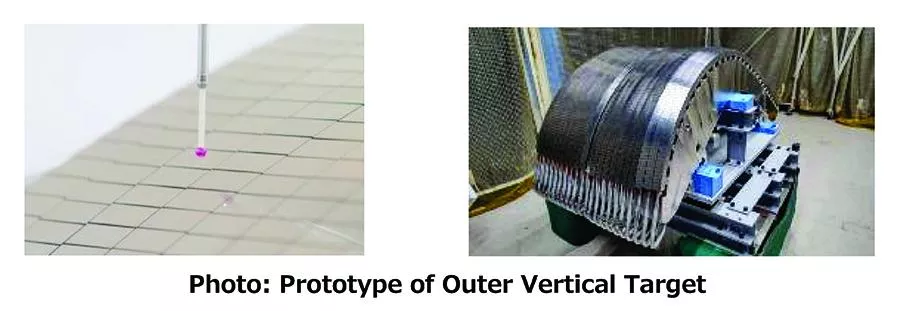
Mitsubishi Heavy Industries Achieves Target Performance at Pilot Plant for Bioethanol Membrane Dehydration Systems JCN Newswire

Mitsubishi Heavy Industries Achieves Target Performance at Pilot Plant for Bioethanol Membrane Dehydration Systems

Pilot plant for membrane dehydration systemsTOKYO, September 12, 2025 - (JCN Newswire via SeaPRwire.com) - Mitsubishi Heavy Industries, Ltd. (MHI) has achieved the target performance of over 99.5vol% ethanol purity at a pilot plant for membrane dehydration systems (MMDS®: Mitsubishi Membrane Dehydration System) installed at MHI's Nagasaki Carbon Neutral Park within the Nagasaki District Research & Innovation Center, which meets domestic fuel standards.Bioethanol is gaining attention as a clean fuel alternative to gasoline and as a raw material for Sustainable Aviation Fuel (SAF). However, in order to be used as fuel, the removal of moisture contained in bioethanol during the final stage of manufacturing (dehydration) is essential, and the dehydration process consumes a significant amount of energy. MMDS® aims to optimize the process by replacing the conventional method with a molecular sieve separation method(*), thereby achieving high-efficiency manufacturing while significantly reducing energy consumption by over 30%, leading to a substantial reduction in operational costs and stable production. Additionally, since MMDS® enables separation in the liquid phase, it allows for the compact design of the equipment.Moving forward, based on the results of various element tests conducted at the pilot plant, MHI plans to accelerate development toward the construction of a demonstration plant for an early launch.MHI is committed to advancing the development and commercialization of high-efficiency manufacturing processes for hydrogen-free bioethanol, a clean fuel derived from plants. Through these efforts, MHI will strive for early establishment and execution of decarbonization technologies, as a way of contributing to the realization of a sustainable, carbon neutral world.(*) This method utilizes the difference in molecular size to separate substances using membranes.Bioethanol membrane dehydration systems (MMDS®: Mitsubishi Membrane Dehydration System) LOGOINCHEM TOKYO 2025 Exhibition InformationDates: September 17 (Wed) - 19 (Fri), 2025Location: Tokyo Big Sight (Koto City, Tokyo), East Exhibition HallMHI Booth Number: 5-SP03For more details on the exhibition, please visit: https://inchem.jma.or.jp/en/About MHI GroupMitsubishi Heavy Industries (MHI) Group is one of the world’s leading industrial groups, spanning energy, smart infrastructure, industrial machinery, aerospace and defense. MHI Group combines cutting-edge technology with deep experience to deliver innovative, integrated solutions that help to realize a carbon neutral world, improve the quality of life and ensure a safer world. For more information, please visit www.mhi.com or follow our insights and stories on spectra.mhi.com Copyright 2025 JCN Newswire via SeaPRwire.com. All rights reserved. www.jcnnewswire.com
More
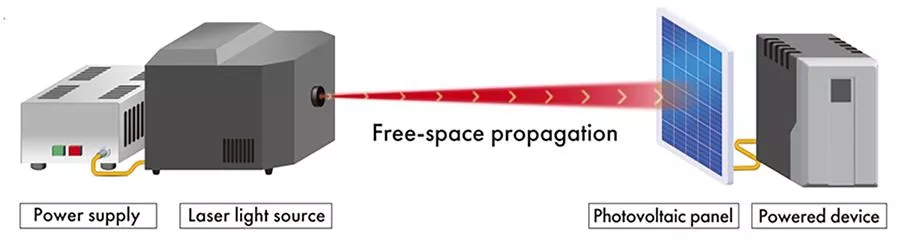
“New Answers to Dementia” Eisai Releases Concept Movie and New Content on Campaign Website for Dementia Month JCN Newswire

“New Answers to Dementia” Eisai Releases Concept Movie and New Content on Campaign Website for Dementia Month

TOKYO, September 12, 2025 - (JCN Newswire via SeaPRwire.com) - Eisai Co., Ltd. (Headquarters: Tokyo, CEO: Haruo Naito, “Eisai”) announced today the release of a concept movie and new content on the dedicated website for its “New Answers to Dementia” campaign, designed to increase corporate awareness.In March 2025, Eisai launched a dedicated website (Japanese only) to share its commitment and ongoing efforts in pursuing “new answers” to dementia with a wider audience.Japan’s “Basic Act on Dementia to Promote an Inclusive Society” designates September as “Dementia Month” and September 21 as “Dementia Day in line with globally recognized World Alzheimer’s Month and World Alzheimer’s Day.” To coincide with Dementia Month, when public awareness of dementia is high, Eisai has released a concept movie and published exclusive content on its designated website. The movie embodies Eisai’s belief in “Science, Courage, and Perseverance” in the ongoing pursuit of “new answers” for dementia. The content highlights the initiatives of companies and organizations across Japan that share Eisai’s commitment to supporting dementia patients.Overview of Dedicated Website and its ContentDedicated Website URLhttps://www.eisai.co.jp/newanswer/New Content1) Concept Movie “History Begins with Belief”Eisai embraces a mindset of having the “courage to step where no one dare go,” “perseverance to believe in our ability to succeed,” and “science that underpins our convictions.” With the principles of “Science, Courage, and Perseverance,” Eisai continues to deliver “new answers” for dementia care. To share this passion, Eisai produced a 120-second movie. More than 30 actual Eisai staff appear in the movie as employees, and it was filmed at Eisai’s own research facilities using genuine laboratory instruments and equipment.Additionally, an interview with Eisai’s COO, Keisuke Naito, in which he shares the passion and idea behind the movie is currently available on Toyo Keizai Online.URL https://toyokeizai.net/articles/-/8959262) Showcase: “Our New Answer”In Japan, countless businesses and organizations are continuously developing various “new answers.” This content highlights the initiatives of Eisai’s like-minded partners who are committed to creating “new answers” and building a society where dementia patients and their families can live their fullest lives.Eisai's corporate concept is "to give first thought to patients and people in the daily living domain, and to increase the benefits that health care provides." Under this Concept (also known as the human health care(hhc) concept), we aim to effectively achieve social good in the form of relieving anxiety over health and reducing health disparities. Within the dementia field, where it has long been focused as a leading pioneer, Eisai is committed not only to developing therapeutic medicines but also to creating a dementia ecosystem in collaboration with various partners, including other industries and local governments, that provides comprehensive support from prevention to care for patients, their families, and the people in the daily living domain, in order to realize a dementia-inclusive society where anyone can live their fullest life.Eisai will continue to pursue “new answers” in partnership with dementia patients, their families, and our partners.Media Inquiries:Public Relations Department,Eisai Co., Ltd.+81-(0)3-3817-5120 Copyright 2025 JCN Newswire via SeaPRwire.com. All rights reserved. www.jcnnewswire.com
More
TANAKA PRECIOUS METAL TECHNOLOGIES Succeeds in Developing High-Performance Palladium Alloy Hydrogen Permeable Membrane Operable in the Low-Temperature Range of 300 degrees C JCN Newswire

TANAKA PRECIOUS METAL TECHNOLOGIES Succeeds in Developing High-Performance Palladium Alloy Hydrogen Permeable Membrane Operable in the Low-Temperature Range of 300 degrees C

TOKYO, Sept 12, 2025 - (JCN Newswire via SeaPRwire.com) - TANAKA PRECIOUS METAL TECHNOLOGIES Co., Ltd. (Head Office: Chuo-ku, Tokyo; Representative Director & CEO: Koichiro Tanaka), a company engaged in the industrial precious metals business of TANAKA, announces the successful development of a palladium (Pd) alloy hydrogen permeable membrane operable in the low temperature range around 300°C. Compared to conventional products, this product features high hydrogen permeation performance while operating at lower temperatures. Provision of this product’s samples is scheduled to start on or after September 15, 2025.An academic presentation regarding this product will be made at The Japan Institute of Metals and Materials’ “2025 Fall Meeting,” which will be held at Hokkaido University from September 17 to 19, 2025.Palladium Alloy Hydrogen Permeable Membrane (PdCu39)Among PdCu alloy membranes, PdCu40 (an alloy with 60% palladium content and 40% copper content) is known to exhibit the highest hydrogen permeation performance. However, hydrogen purification using PdCu40 required operation at high temperatures of around 400°C. TANAKA focused on the palladium content ratio in PdCu-based hydrogen permeable membranes and successfully maximized the performance of PdCu-based hydrogen permeable membranes with PdCu39 (an alloy with 61% palladium content and 39% copper content).Previously, the high hydrogen permeation capability of PdCu39 was not recognized. This was because even a slight fcc phase (*1) presence would significantly reduce hydrogen permeation performance, and achieving a complete bcc phase (*2) was considered difficult. However, by applying proprietary heat treatment methods developed through decades of expertise in precious metal materials research, it became possible to obtain a complete bcc phase, leading to the commercialization of this product.Hydrogen Permeation Mechanism via Palladium-based Hydrogen Permeable MembranesWith recent advances in hydrogen purification technologies, there is increasing demand for hydrogen permeable metal membranes capable of operating at lower temperatures than previously possible. To purify high-purity hydrogen, the most common method involves purifying hydrogen gas generated from methanol-water through modules incorporating hydrogen permeable membranes. However, while hydrogen is generated from methanol-water at temperatures of around 300°C, hydrogen permeable membranes typically exhibit their performance at 400°C or higher, necessitating additional heating equipment and contributing to increased costs. Moreover, the generation of gas impurities due to heating has also posed a challenge.This product can purify hydrogen at a low temperature of approximately 300°C, eliminating the need for additional heating equipment and reducing equipment oxidation more effectively than conventional products. Additionally, it is expected to help reduce energy costs, including electricity and CO₂ emissions.Product FeaturesEffective at low temperatures around 300°CHigh hydrogen permeation performance through achievement of complete bcc phasePinhole-free membraneNo additional heating equipment required, reducing equipment oxidation during the heating processEnables downsizing of hydrogen purification equipment compared to other technologiesPd/Cu Ratio in PdCu Alloys and Hydrogen Permeability Performance @ 300°CTemperature Dependence of Hydrogen Permeation PerformanceDifferences in bcc Phase/fcc Phase Ratio of PdCu39 Depending on Heat Treatment ConditionsDimensions and Shapes Available (Prototype Samples for Evaluation)ThicknessWidthShapeMinimum 10 µmTMaximum 120 mmSheets (square, circular, etc.)*1 fcc phase: Refers to the metallic phase with a face-centered cubic crystal structure.*2 bcc phase: Refers to the metallic phase with a body-centered cubic crystal structure.About TANAKASince its foundation in 1885, TANAKA has built a portfolio of products to support a diversified range of business uses focused on precious metals. TANAKA is a leader in Japan regarding the volume of precious metals it handles. Over many years, TANAKA has manufactured and sold precious metal products for industry and provided precious metals in such forms as jewelry and assets. As precious metals specialists, all Group companies in Japan and worldwide collaborate on manufacturing, sales, and technology development to offer a full range of products and services. With 5,591 employees, the group’s consolidated net sales for the fiscal year ended December 2024 were 846.9 billion yen.TANAKA Industrial Precious Metal Materials Portalhttps://tanaka-preciousmetals.comProduct inquiriesTANAKA PRECIOUS METAL TECHNOLOGIES Co., Ltd.https://tanaka-preciousmetals.com/en/inquiries-on-industrial-products/Press inquiriesTANAKA PRECIOUS METAL GROUP Co., Ltd.https://tanaka-preciousmetals.com/en/inquiries-for-media/Press release: https://www.acnnewswire.com/docs/files/2025912_EN.pdf Copyright 2025 JCN Newswire via SeaPRwire.com. All rights reserved. www.jcnnewswire.com
More
CO2NNEX(R) Digital Platform for Transfer and Management of e-Methane Clean Gas Certificates to Be Utilized in Nagaoka Methanation Demonstration JCN Newswire

CO2NNEX(R) Digital Platform for Transfer and Management of e-Methane Clean Gas Certificates to Be Utilized in Nagaoka Methanation Demonstration

TOKYO, September 11, 2025 - (JCN Newswire via SeaPRwire.com) - INPEX Corporation (INPEX), Osaka Gas Co., Ltd. (Osaka Gas), and Mitsubishi Heavy Industries, Ltd. (MHI) today announced an agreement to implement the city gas industry's first system for transfer and management of Clean Gas Certificates to certify the environmental value(2) of e-methane, which is being developed by Osaka Gas and MHI using the CO2NNEX®(1) digital platform, for a project being jointly conducted by INPEX and Osaka Gas aimed at developing practical technology for the reduction and effective utilization of CO2 emissions by using one of the world's largest methanation systems (hereinafter, the "Nagaoka Methanation Demonstration")(3).In the Nagaoka Methanation Demonstration, hydrogen (H2) and CO2 recovered from the Koshijihara Plant at the INPEX Nagaoka Field Office (Nagaoka City, Niigata Prefecture) will be used to produce e-methane, which will be injected into INPEX's natural gas pipeline and delivered to customers in an effort to build a model for local production and local consumption, planned to be implemented as part of the Nagaoka Methanation Demonstration. The CO2NNEX® platform will be used to provide visualization of e-methane and its raw materials (H2 and CO2) (hereinafter "attribute data"), and manage the transfer and use of Clean Gas Certificates created through the demonstration. In addition, by utilizing the MRV function(4) to monitor and graph attribute data, issue Clean Gas Certificate usage certificates, and verify the appropriate use of certificates, the companies will contribute to the practical application of the CO2 methanation system in the Nagaoka Methanation Demonstration.Figure: Initiatives using CO2NNEX®Going forward, along with Clean Fuel Certificates to certify the environmental value of liquid fuels such as synthetic fuels (SAF, e-fuel), the companies plan to study and demonstrate a certificate system for Clean Gas Certificates for gaseous fuels such as synthetic methane (e-methane, biomethane).(5) Since the discussions for the study and demonstration project are expected to include the appropriate management of environmental values using the certificate system, the companies will pursue initiatives to make use of attribute data and knowledge on the appropriate management of environmental values obtained through this initiative.Through this initiative, INPEX, Osaka Gas, and MHI will contribute to the practical application of e-methane and the realization of a carbon-neutral society.(1) CO2NNEX® is a platform developed by MHI for visualization and management of the CO2 supply chain. Osaka Gas and MHI are now working jointly to implement functions on the platform for e-methane attribute data management, and the transfer and management of Clean Gas Certificates.(2) Environmental value: Since CO2 emitted into the atmosphere (or CO2 in the atmosphere) is captured and carbon recycled as raw material for e-methane, even when e-methane is used (burned), the amount of CO2 in the atmosphere does not increase in real terms, so CO2 emissions are effectively zero.(3) Nagaoka Methanation Demonstration: Project entitled "Development of CO2 utilization technology for gaseous fuel and Development of practical technology for pipeline injection using large-scale CO2-methanation system", subsidized by Japan's New Energy and Industrial Technology Development Organization (NEDO)For details, see the following press release: "INPEX, Osaka Gas Commence Construction of Test Facility for CO2 Emissions Reduction and Practical Application of Effective CO2 Use Through One of World's Largest Methanation Operations" (October 24, 2023)https://www.osakagas.co.jp/en/whatsnew/__icsFiles/afieldfile/2023/10/23/231024_2.pdf https://www.inpex.com/english/news/english/news/assets/pdf/20231024.pdf(4) MRV: Measurement, Reporting and Verification(5) Japan's Ministry of Economy, Trade and Industry (METI) plans to conduct a demonstration for the phased launch of a clean fuel certificate system, including gaseous fuels such as synthetic methane (FY2026), and is holding discussions and making other preparations for the establishment of a management system and the development of regulations for the certification system to support implementation (FY2025).For details, see the following document (Japanese):14th Public-Private Council for the Promotion of Methanation (June 18, 2025)Document 3:"Current Situation Surrounding Synthetic Methane (e-Methane) and Other Materials"https://www.meti.go.jp/shingikai/energy_environment/methanation_suishin/pdf/014_03_00.pdfAbout INPEXINPEX Group, in its INPEX Vision 2035 released in February this year, announced its aim to execute a responsible energy transition focused on ensuring stable supply of lower-carbon energy in a sustainable manner, promoting lower-carbon solutions by leveraging its capabilities and technical expertise. In particular, along with reductions in GHG emissions by integrating CCS into its natural gas/LNG projects, INPEX will provide GHG reduction solutions to third parties.About Osaka GasDaigas Group, based on its Energy Transition 2050 released in February this year, will work to develop technologies and services that contribute to a carbon-neutral society, actively address climate change and other social challenges, and aim to be a corporate group that contributes to the further advancement of everyday life and business.About MHIMHI Group is actively involved in programs targeting the realization of a carbon neutral society. Building a CO2 ecosystem is central to its energy transition initiatives. As a global leader in CCUS, the company aims to accelerate this ecosystem development by seeking widespread adoption of related hardware as well as the CO2NNEX® digital platform.For more information, see the CO2NNEX website.About MHI GroupMitsubishi Heavy Industries (MHI) Group is one of the world’s leading industrial groups, spanning energy, smart infrastructure, industrial machinery, aerospace and defense. MHI Group combines cutting-edge technology with deep experience to deliver innovative, integrated solutions that help to realize a carbon neutral world, improve the quality of life and ensure a safer world. For more information, please visit www.mhi.com or follow our insights and stories on spectra.mhi.com Copyright 2025 JCN Newswire via SeaPRwire.com. All rights reserved. www.jcnnewswire.com
More
Hitachi accelerates growth with major U.S. investments in advanced manufacturing, electrification and workforce development JCN Newswire

Hitachi accelerates growth with major U.S. investments in advanced manufacturing, electrification and workforce development

SANTA CLARA, CA, September 10, 2025 - (JCN Newswire via SeaPRwire.com) - Hitachi America, Ltd. (“Hitachi America”), announced a series of significant investments and strategic initiatives across the United States, reinforcing its long-term commitment to driving innovation, strengthening critical infrastructure and creating high-value jobs. These milestones, all unveiled in September, span advanced manufacturing, power grid infrastructure, and digital solutions, which are tangible proof of Hitachi’s strategy to leverage its global expertise to solve local challenges and contribute directly to U.S. economic growth. “These investments represent True One Hitachi, bringing together the Group’s vast combined expertise aligned to a shared vision,” said Toshiaki Tokunaga, President & CEO of Hitachi, Ltd. “With digital technologies at the core of our business, we are delivering comprehensive solutions that solve significant societal problems. By investing in the United States, we are strengthening local economies while accelerating innovation.”Reinforcing the company's commitment to the American economy through long-term investment and job creation, these initiatives are central to Hitachi’s global vision and its “Inspire 2027” management plan. This strategy envisions a harmonized society where environment, well-being, and economic growth coexist in balance. By leveraging its advanced solutions and domain expertise in energy, mobility, industrial, and digital sectors—Hitachi is committed to building a more sustainable, resilient, and prosperous future while addressing some of society’s most pressing challenges.“Incorporated in the U.S. since 1959, Hitachi has been contributing to the economic, cultural, and innovation fabric in the U.S. while growing our business in the region” said Shashank Samant, Executive Chairman of Hitachi Americas. “We are thrilled about our shared success, and we are committed to building on this momentum in the U.S., working hand-in-hand withour public and private sector partners and clients — to build a more prosperous, sustainable future together.”“Hitachi was founded on the principle of contributing to society through technology, and our growing presence in the United States is a modern expression of that core mission,” said Yasuhiro Takeuchi, CEO of Hitachi Americas. “The U.S. is one of our most important markets, not just for its size, but for its spirit of innovation. By investing in local manufacturing and empowering a skilled American workforce, we are building the future of energy, mobility and industry, ultimately improving everyday lives.” This commitment is demonstrated by a series of significant announcements and milestones this week: - Digital Railcar Factory in Maryland: Hitachi Rail’s ‘lighthouse’ digital factory officially opened on Monday Sept. 8th in Hagerstown, Maryland. The $100 million site in corporates more than $30 million in digital enhancements and operates as a carbon neutral factory. It can produce up to 20 railcars per month and is set to deliver next generation fleets for metros that serve the Washington D.C. area, Baltimore and Philadelphia. As a flagship for Hitachi’s global digital manufacturing strategy, it includes Lumada-powered AI and smart manufacturing. The plant features an immersive digital customer experience center, where visitors can see examples of Hitachi’s digital mobility solutions – including HMAX – that are benefiting customers around the world. The factory is creating up to 460 direct jobs and supporting over 1,300 in total, generating an estimated $350 million in annual economic impact for the region. As an example of the One Hitachi approach to the factory’s development, the site features Flexware Innovation’s LIFT intralogistics software. Developed in partnership with Hitachi owned GlobalLogic, this technology has been deployed in the factory to optimize material flow and advance digital transformation. In addition, GlobalLogic has also partnered with Ericsson to design and deploy a state-of-the-art private 5G network within the factory, establishing the Hagerstown plant as a benchmark for the future of smart, digital-first rail production.- Powering America’s Energy Future: Hitachi Energy announced a historic $1 billion USD investment to expand U.S. manufacturing of critical electrical grid infrastructure. This includes a $457 million power transformer facility in South Boston, Virginia—the largest of its kind in the nation—alongside expansions of existing facilities nationwide. As part of this investment, Hitachi Energy is also committing $106 million to expanding its transformer components facility in Alamo, Tennessee, $22.5 million to expand and modernize its dry-type transformer operations in Southwest Virginia, and $70 million to bolstering its high-voltage components manufacturing footprint in and around Mount Pleasant, Pennsylvania. Collectively, these projects will create thousands of high-paying jobs, including nearly 950 jobs in Virginia, 100 new positions in Tennessee and 100 more in Pennsylvania. This investment is integral to bolstering the resilience of the U.S. electrical grid and ensuring reliable access to the transformers and critical high-voltage equipment required to support AI data centers, renewable energy, and industrial growth.- New Automation Headquarters: JR Automation, a Hitachi Group company and global leader in advanced automation, announced plans for a $72.8 million global headquarters in Zeeland, Michigan. Breaking ground on September 17, the 286,000-square-foot facility will bring together 350 employees into a modern, state-of-the-art campus designed for collaboration, customer demonstrations, and global innovation. The new HQ will also serve as a hub for Hitachi’s Integrated Industry Automation, harnessing digital twin technology, edge computing, and AI to deliver next-generation intelligent manufacturing ecosystems.- Charting ‘New Horizons’: Hitachi recently hosted its annual Hitachi Inspire Summit 2025 in Washington, D.C. under the theme “New Horizons”. With over 120 delegates in attendance from 95 unique global brands, the event was designed to engage senior leaders from across major industries in dialogue about business, technology, and talent strategies in the AI era. The summit featured presentations and insights from experts and thought leaders, collectively exploring the future of energy, mobility and industrial transformation. Alongside the summit, Hitachi's Innovation Expo showcased over 45 groundbreaking R&D and business unit demonstrations — from AI vision and sustainable energy to digital manufacturing and smart mobility — highlighting Hitachi’s leadership in transforming innovative ideas into impactful solutions that address global challenges and drive industry forward.About Hitachi America, Ltd.Hitachi America Ltd. serves as the regional headquarters for Hitachi Group companies in the Americas, over seeing operations in the Unites States, Canada, and Latin America. Headquartered in Santa Clara, California, Hitachi Americas has been advancing the Social Innovation Business since its establishment in 1959 – addressing society's most pressing challenges through innovative, forward-looking solutions. Hitachi Americas and its 54 subsidiary companies operate across four sectors: Digital Systems & Services, Energy, Mobility, and Connective Industries. By combining IT, operational technology (OT), and products, Hitachi Americas remains at the forefront of pioneering solutions that shape a more sustainable and connected future. For further details, please visit https://www.hitachi.us/.About Hitachi, Ltd.Through its Social Innovation Business (SIB) that brings together IT, OT (Operational Technology) and products, Hitachi contributes to a harmonized society where the environment, wellbeing, and economic growth are in balance. Hitachi operates globally in four sectors – Digital Systems & Services, Energy, Mobility, and Connective Industries –and the Strategic SIB Business Unit for new growth businesses. With Lumada at its core, Hitachi generates value from integrating data, technology and domain knowledge to solve customer and social challenges. Revenues for FY2024(ended March 31, 2025) totaled 9,783.3 billion yen, with 618 consolidated subsidiaries and approximately 280,000 employees worldwide. Visit us at www.hitachi.com. Copyright 2025 JCN Newswire via SeaPRwire.com. All rights reserved. www.jcnnewswire.com
More